
You’ve probably heard it a hundred times already. “Learn to code, it’s the future.” “Programming is the skill of the 21st century.” Okay, sure. But when you’re a student juggling classes, assignments, and a social life that barely holds together – where do you even begin ?
Honestly, that’s the question nobody really answers properly. They tell you what to do, but not how to actually get started without feeling completely lost after day three. So let’s talk about that.
If you’re serious about learning, one of the best things you can do right now is find a structured path. Something like https://formation-programmation.com can help you figure out which direction to take depending on your goals – whether you want to build websites, create apps, or just understand how the digital world works.
First Question : Why Do You Want to Code ?
 This sounds basic, but it changes everything. Are you learning because you want a better job after graduation ? Because you have a project idea you can’t stop thinking about ? Or just because everyone says it’s useful and you don’t want to fall behind ?
Your why will shape your how. A lot of students make the mistake of starting with whatever language is trending on Reddit that week, without thinking about what they actually want to build. And then they quit two weeks in because nothing feels relevant.
So before you open a single tutorial – ask yourself that question. Seriously. Take five minutes.
The Three Most Common Starting Points (and Which One Fits You)
1. HTML and CSS – if you like seeing results fast
These aren’t technically “programming” languages, but they’re a great entry point if you want to build something visual quickly. You write a few lines, refresh the browser, and boom – you see your page take shape. That immediate feedback loop ? It’s addictive in the best way.
2. Python – if you like logic and problem-solving
Python is probably the most beginner-friendly actual programming language out there right now. The syntax is clean, it reads almost like plain English, and the community is massive. If you’re in science, data, or just want to automate annoying tasks, Python is a genuinely smart choice.
3. JavaScript – if you want to build interactive things for the web
JS is everywhere. It runs in your browser, on servers, in apps. Learning it opens a lot of doors. It’s a bit messier to learn than Python, but if your goal is web development, you’ll need it eventually anyway.
How Much Time Does It Actually Take ?
Here’s something people tend to sugarcoat. Learning to code takes time. Real time. Not “30 minutes a day for two weeks and you’re set” kind of time.
Realistically, if you spend one hour per day consistently, you can build a solid foundation in about three to six months. That’s enough to land a junior internship or build a small personal project. But only if you’re consistent. And that’s the hard part for most students – not the learning itself, but the regularity.
A tip that actually works : treat coding practice like a class. Block a slot in your schedule, same time every day or every other day. Don’t wait for motivation. It rarely shows up on command.
Free Resources vs. Paid Courses : What’s Worth It ?
There’s genuinely a lot of free stuff out there. freeCodeCamp, The Odin Project, MDN Web Docs – these are solid and completely free. You can go very far with them.
Paid courses, though, can save you time. A well-structured paid course cuts through the noise and gives you a clear roadmap. If your schedule is tight and you hate wasting hours trying to figure out what to learn next, it might be worth the investment. Some students I know paid for a course and finished in half the time compared to bouncing around free tutorials.
It really depends on how you learn. Do you need structure ? Pay for it. Are you self-directed and patient ? Free works fine.
The Mistake Almost Every Beginner Makes
Tutorial hell. That’s the term people use for when you keep watching and reading tutorials, feeling like you’re learning… but never actually building anything.
It feels productive. It’s not. Not really.
At some point – honestly, sooner than you think – you need to close the tutorial and try to build something yourself. It’ll be messy. You’ll get stuck. You’ll Google stuff for an hour just to fix one line. That’s normal. That’s actually how real developers work, even experienced ones.
The discomfort of building something on your own is where the actual learning happens.
A Realistic First Month Plan
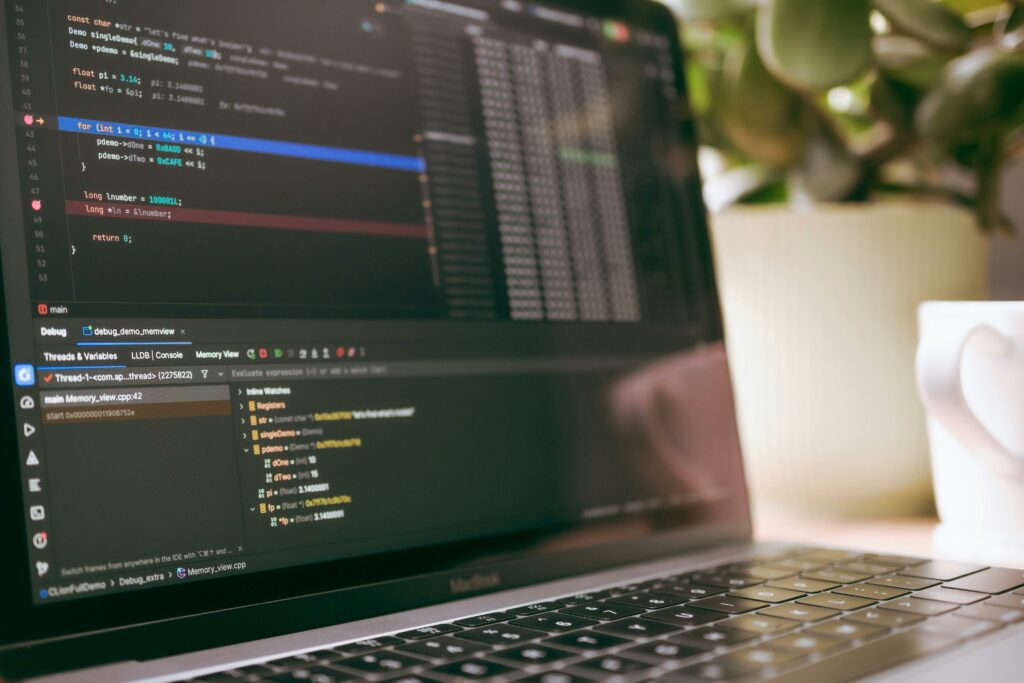 Week one : pick your language (just one), find one beginner course or resource, and follow it without jumping around.
Week two and three : keep following the course, but start trying small exercises on your own. Recreate what you just learned from scratch, without looking at the example.
Week four : try to build something tiny. A basic calculator. A personal page. Anything that forces you to combine what you’ve learned.
That’s it. Nothing fancy. But if you do this consistently for a month, you’ll be further ahead than 80% of people who said “I want to learn to code” at the same time as you.
One Last Thing
Don’t compare your beginning to someone else’s middle. You’ll see people on YouTube and Twitter who seem to have learned everything in six weeks and are already building full apps. Some of them are telling the truth. Most aren’t showing you the full picture.
You’re a student. You have other things going on. Learning at a steady, realistic pace is completely fine – and it’s actually more sustainable than burning out after three intense weeks.
Start small. Stay consistent. And maybe most importantly : actually start.
Related Posts

After High School, What Now? A Real Guide to Choosing the Right Program
You just finished high school. Or you're about to. And…